What are the best breathing techniques for anxiety?
The best breathing techniques for anxiety include the Memory Developing Breath (MDB), the Cleansing Breath, and the Vibro-Magnetic Breath. These practices, rooted in ancient lineages and taught through the Science of Life and Breath, work by creating a “gap” between an individual and their emotions, allowing the practitioner to respond to stress rather than react to it.
The Role of Conscious Breathing in Modern Stress Management
In our fast-paced world, anxiety often rises when the mind hijacks our reality with “what if” stories. We ask ourselves, “What if I fail?” or “What if people judge me?”. While deep breathing exercises do not erase these life challenges, they provide a stable anchor that keeps you grounded while emotions move through you.
Moving from Identity to Experience
One of the most transformative shifts in this practice is learning to change your internal dialogue:
- Instead of saying: “I am sad,” which merges your identity with the emotion.
- Try saying: “I am feeling sad,” which recognizes the emotion as a temporary experience.
This small gap is everything; once you stop merging with the emotion, you stop being pulled around by it.
Why You Should Consider an Online Breathing Exercises Course
Learning these techniques in a structured format is vital for long-term success. An online breathing exercises course, such as those offered by the Pratibimb Charitable Trust, provides the scientific background and step-by-step guidance needed to change your physiological baseline.
The Benefits of Guided Learning:
- Structured Practice: Courses offer a set path, such as the 8-exercise sequence, rather than random techniques.
- Consistency over Intensity: A course reinforces the idea that the goal is not to “do it hard,” but to do it daily.
- Understanding the ‘Why’: Learning the science behind the breath helps build a deeper relationship with your nervous system.
The 8 Essential Breathing Techniques for Anxiety
These eight specific exercises are linked with Tibetan monastic lineages and trace their references back to Nalanda University. Practicing them consistently can shift your state from reactive to responsive.
1. Memory Developing Breath (MDB)
This technique is specifically designed for settling mental noise.
- Primary Focus: Improving attention and recall.
- Anxiety Application: It is highly effective at sharpening focus when anxiety causes “mental fog”.
2. Revitalising Breath
This practice is used to lift fatigue and build a more awake nervous system.
- Daily Support: It supports physical freshness throughout the day, preventing the common “afternoon crash”.
3. Inspirational Breath
When you are facing new situations that cause hesitation, the Inspirational Breath provides the courage to take action.
- Goal: Replacing endless rumination with forward movement and confidence.
4. Physical Perfection Breath
This exercise focuses on the body, improving body awareness and supporting a healthier physical baseline.
- Benefit: It simply makes you feel better and more energetic within your own body.
5. Vibro-Magnetic Breath
For those who feel “scattered,” this technique builds a stronger sense of inner presence.
- Result: It reduces physical and mental shakiness, leaving you feeling grounded yet alive.
6. Cleansing Breath
Just as we clean our physical spaces, the Cleansing Breath reduces “inner clutter”.
- Emotional Load: It helps in letting go of accumulated emotional weight to support a calmer daily baseline.
7. Grand Rejuvenation Breath
This is the practice of deep restoration and recovery from intense stress.
- Recovery: It allows you to feel emotionally fresh, even after a taxing day.
8. Your Own Spiritual Breath
The final technique focuses on inner stability and finding meaning in uncertainty.
- Core Feeling: It provides a deeper sense of “I’m okay,” even when life remains imperfect.
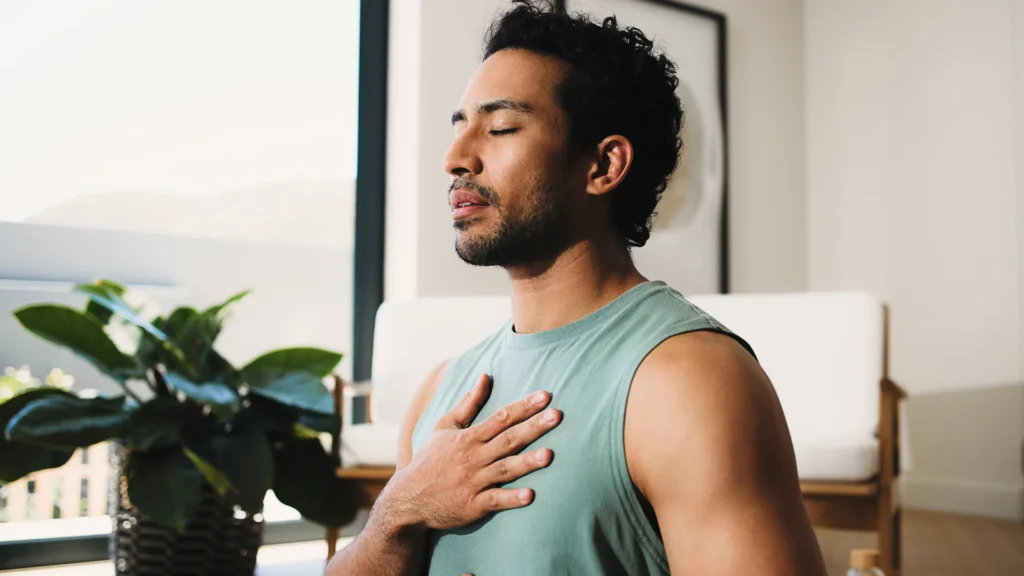
What to Expect: Real Results of Consistent Practice
One of the most encouraging parts of deep breathing exercises is that the changes often come quietly before they feel obvious.
Physical Shifts
Practitioners often report tangible physical improvements, such as:
- Reduced Pain: Less nagging pain, particularly in the lower back and knees.
- Higher Vitality: More willingness to engage in physical activities like climbing stairs.
- Sustained Energy: A general sense of being more dynamic without afternoon crashes.
Emotional and Social Shifts
As your baseline shifts, your social interactions may also change:
- Social Confidence: Feeling less anxious when meeting new people or facing new situations.
- Internal Approval: A new sense of confidence that no longer feels the need for outside approval.
- Enhanced Intuition: Becoming better at reading people and responding to their needs.
Eventually, you reach what an anxious mind craves most: stability.
Conclusion: Building a Relationship with Your Breath
Do not treat these exercises as mere tasks to “do”. Instead, treat them as a relationship you are building with your nervous system, your mind, and your inner center.
Anxiety may not disappear overnight, but with conscious breathing, you can shift from feeling fearful and scattered to feeling grounded and steady. With daily practice, you will notice profound physical and emotional changes that lead to real inner stability.
Explore our Online Breathing Exercises Course and start your journey with the Science of Life and Breath today.