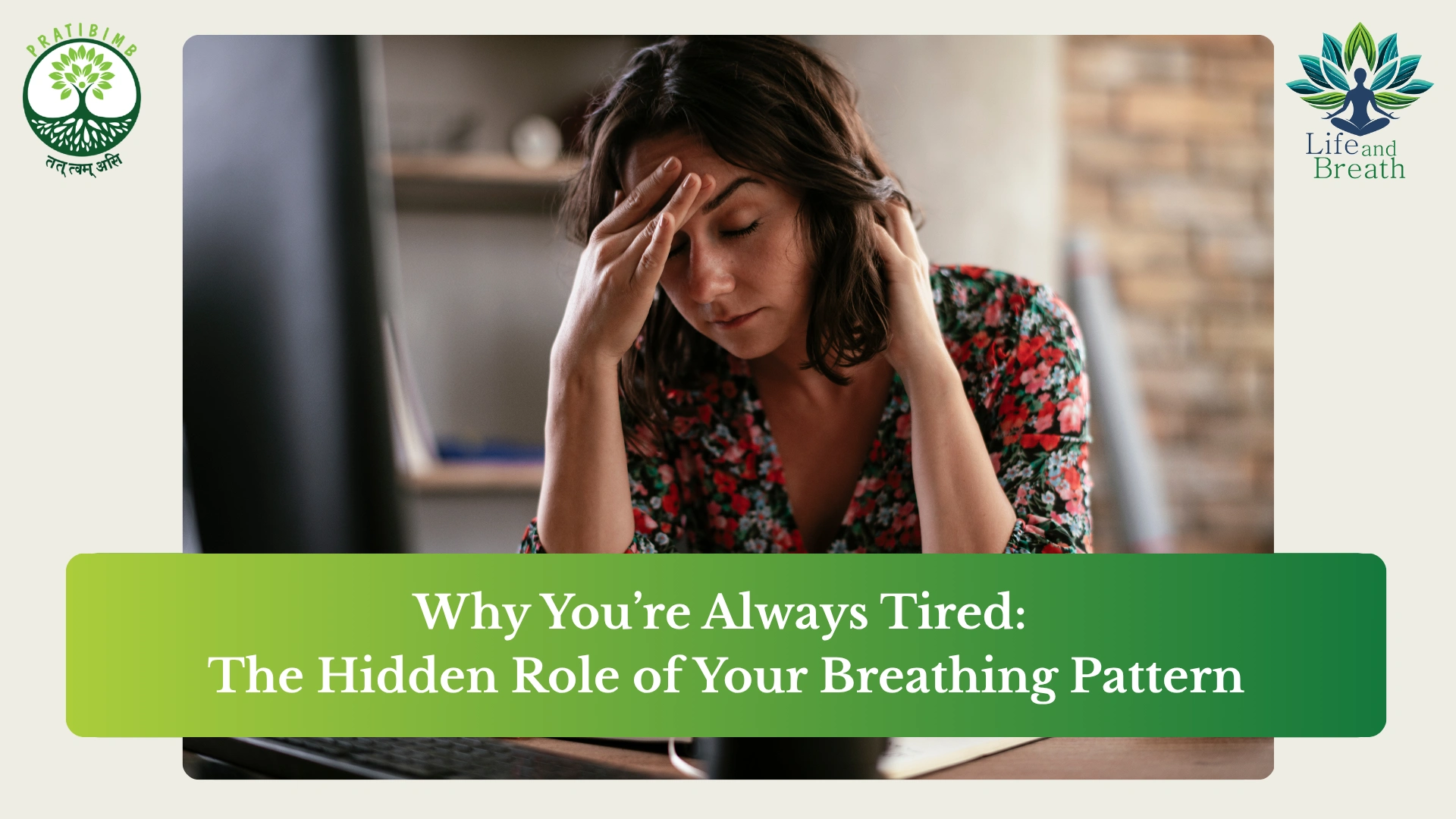
Why am I always tired even after sleep breathing?
The reason behind why am I always tired even after sleep breathing often stems from your nervous system being switched on for too long. If your body spends the entire day in a rushed, shallow breathing pattern due to low-grade stress, it never fully settles down. You can sleep for eight hours and still wake up exhausted if your body spent the entire night stressed, tense, or breathing poorly because it never properly relaxed in the first place.
The Epidemic of Constant, Unexplained Exhaustion
There is a very specific kind of tiredness that feels impossible to explain. It is not the normal fatigue that comes from simply staying up late the night before. Instead, this is the frustrating experience where you wake up after a full night’s sleep and still feel completely exhausted before your day has even started. In this state, your morning coffee is no longer a fun, comforting little ritual—it becomes a tool for basic survival.
At some point, almost everyone ends up searching for answers online, typing in oddly specific phrases like “why am I always tired even after sleeping for 9 hours” because nothing else seems to make logical sense. You slept, you rested, and you might have even tried going to bed early for once. Yet, your body still feels like it is running on a 2% battery life.
For a long time, many people genuinely assume that this constant state of depletion is simply what adulthood feels like. Everyone around us seems just as tired. Every daily conversation somehow revolves around burnout, a lack of sleep, or desperately needing a vacation. Being exhausted has started to feel normal, carrying an unspoken cultural assumption that if you aren’t tired all the time, maybe you just aren’t working hard enough.
However, if you look closer, you might notice that you are constantly tense for absolutely no clear reason. You might catch yourself holding your breath while replying to routine emails. Your shoulders might always feel stiff, and your jaw might be permanently clenched as if you are preparing for an argument that never comes. The strangest part of this condition is realizing that you are barely breathing properly throughout the day.
Shallow Breathing Symptoms and Fatigue: Connecting the Dots
The connection between shallow breathing symptoms and fatigue becomes obvious once you observe how sneaky poor breathing habits really are. Nobody truly notices shallow breathing because technically, you are still breathing. You are alive, so your brain automatically assumes everything is functioning exactly as it should.
How Modern Life Alters Your Respiration
Modern life almost trains people to breathe badly. Consider your typical daily routine:
- You spend hours hunched over a laptop or sitting at a desk.
- You sit staring down at your phone for extended periods.
- You constantly stress about deadlines and upcoming responsibilities.
- You spend free time doomscrolling through social media feeds.
- You reply to digital messages instantly, treating them like life-or-death situations.
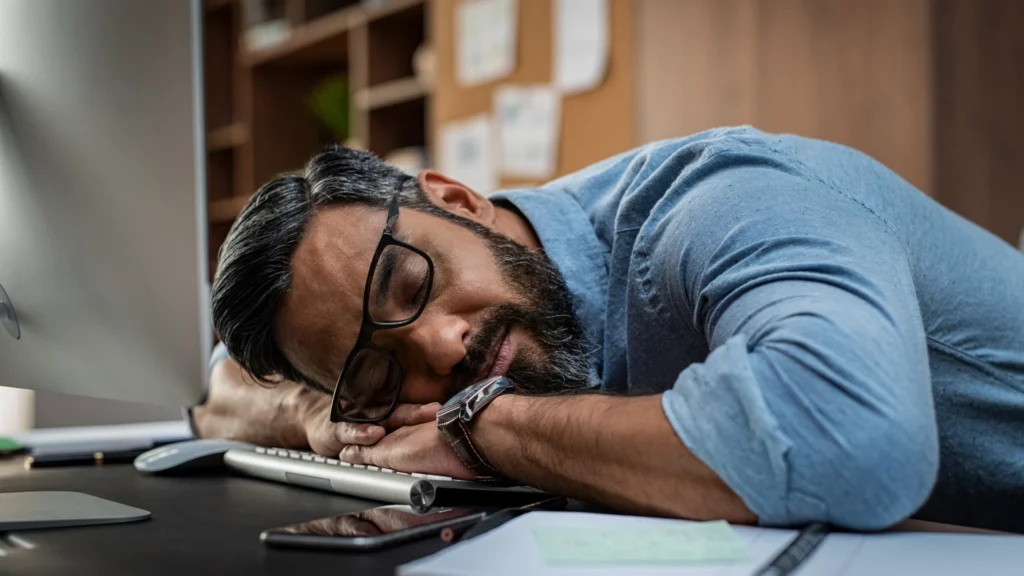
Somewhere in between all of these habitual actions, your body gets stuck in a low-level stress mode. And your breathing changes right along with it.
The Structural Impact of Stress: Without realizing it, you start taking shorter and shorter breaths. Your chest begins to feel tight, and your shoulders slowly creep up toward your ears. Even when you are sitting completely still at your desk or on your couch, your body acts as though it is under intense pressure.
The funniest part of this dynamic is how universally normal it has become. People are exhausted all the time now, but nobody really stops to ask why. It is just accepted as a baseline reality. We joke about being burnt out and running exclusively on caffeine, but it looks like our bodies have genuinely forgotten how to actually relax.
You can even notice this tension while doing something completely relaxing, like sitting on the couch watching a sitcom on Netflix. Even when you aren’t actively stressed and nothing bad is happening, your body can remain completely tense. You might detect that you are still taking tiny breaths, holding a tight jaw, and carrying restless energy for no reason whatsoever. This proves that exhaustion isn’t always about doing too much physically; sometimes it is just your nervous system being switched on for too long.
How Breathing Affects Energy Levels Throughout the Day
Conversations regarding how breathing affects energy levels are becoming increasingly common because the way you breathe impacts far more than people realize. Your specific breathing pattern is directly connected to your stress responses, mental focus, sleep quality, and overall daily energy.
If your body spends the entire day breathing in a rushed, shallow way, it never fully settles down into a restorative state. It is very much like leaving too many apps running in the background on your smartphone all day. Technically, the phone still works and every app functions, but the battery drains at a much faster rate.
[ Rushed, Shallow Breathing All Day ]
[ Nervous System Stays Activated ]
[ Constant Battery Drain (Fatigue) ]
This background drain is exactly what constant, chronic fatigue feels like. What makes it exceptionally difficult to catch is that a lot of people don’t even realize they are holding this tension anymore because it has become their default setting.
- Sitting hunched over for hours feels normal.
- Mouth breathing while sleeping feels normal.
- Feeling completely tired after doing almost nothing physically feels normal.
The Failure of External Quick Fixes
When confronting this deep fatigue, most people will instinctively try everything else first. They buy more coffee, track down vitamins and supplements, consume energy drinks, map out complex productivity hacks, or invest in expensive skincare routines. Meanwhile, through all of it, their body has been quietly asking for just one proper, relaxed breath all day.
Breathing is entirely automatic, so nobody spends time thinking about it. But sometimes the most automatic functions are the ones affecting our well-being the most. This is why exhaustion feels so deeply confusing to the modern professional. People aren’t always tired because they are lazy, unhealthy, or doing something wrong. Sometimes they are simply stuck in a state of constant, low-grade stress without ever realizing it. The mind might ignore the stress of the daily grind, but the body always keeps score.
Conclusion: Noticing the Automatic
Fixing this pattern isn’t about committing to a dramatic, overwhelming wellness overhaul or listening to a lecture. It is simply about recognizing the strange and powerful way that something as basic as breathing can affect your daily energy without your conscious awareness.
The next time your energy drops to zero, pause and evaluate your body. Drop your shoulders, unclench your jaw, and give your system the relaxed breathing it has been asking for. By turning off the background stress apps in your nervous system, you allow your body to finally stop draining its battery and start truly recharging.