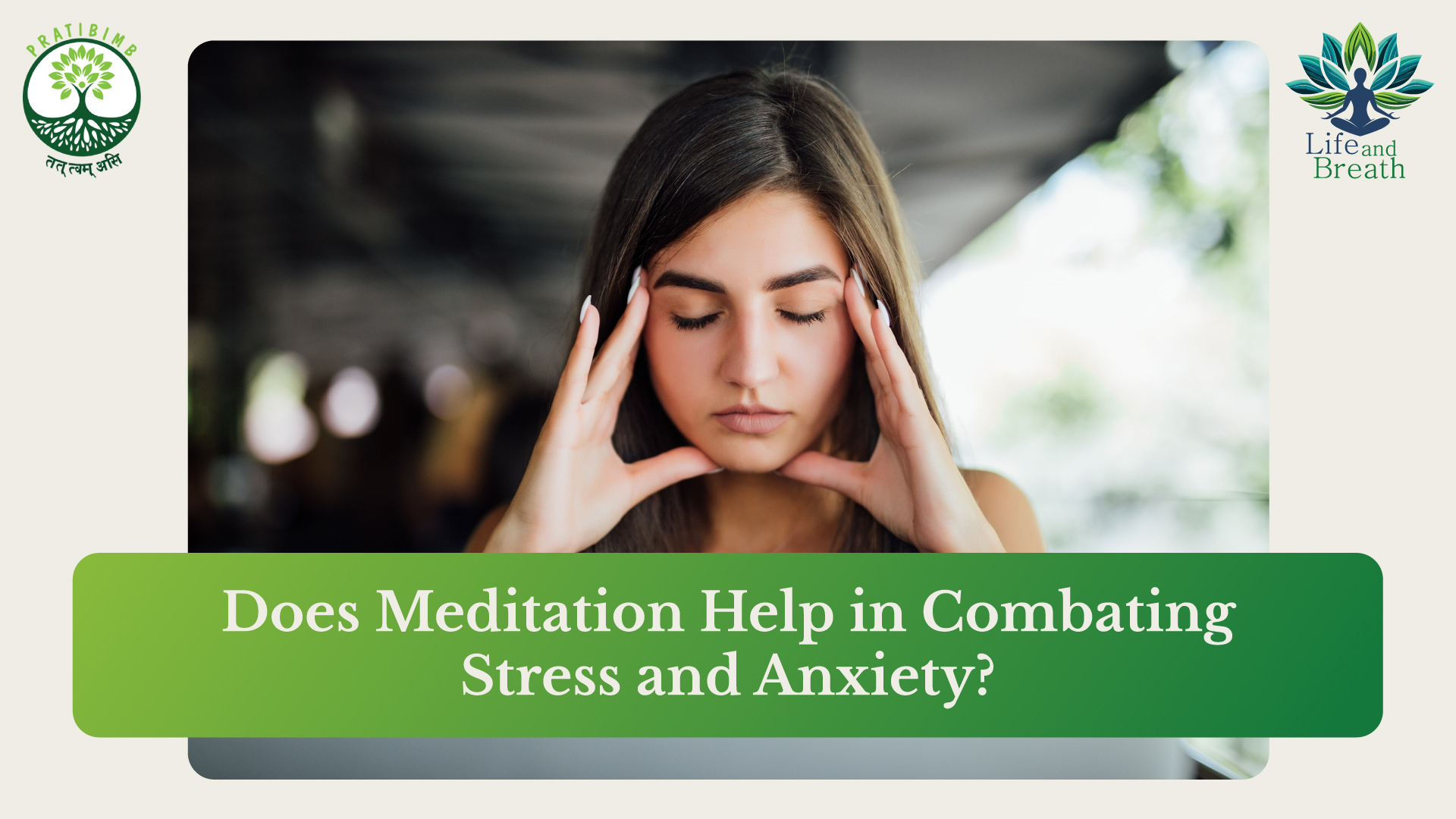
Let’s be real: stress and anxiety are almost unavoidable today. From endless deadlines to the chaos of social media, it often feels like our minds never get a break. I know this because I’ve been there. That’s when a friend casually suggested: “Why don’t you try meditation?”
At first, I laughed. Meditation? Just sitting with my eyes closed? How could that possibly fix the constant storm in my head? But curiosity got the better of me. And what started as two awkward minutes of watching my breath slowly grew into one of the most practical tools I’ve ever found for handling stress and anxiety.
So yes, meditation can help. But not in the mystical, overnight transformation way Instagram sometimes sells it. It works in raw, subtle and surprisingly human ways.
Stress, Anxiety and the Body Connection
Before we dive into meditation, let’s understand what stress and anxiety actually do to the body. Please keep in mind that I am not a professional & this is my real and raw take on how my body reacts to stress & anxiety.
Stress triggers the ‘fight or flight’ response. Anxiety often keeps that switch turned on even when no real danger exists. That’s why one can feel restless, exhausted or even physically unwell.
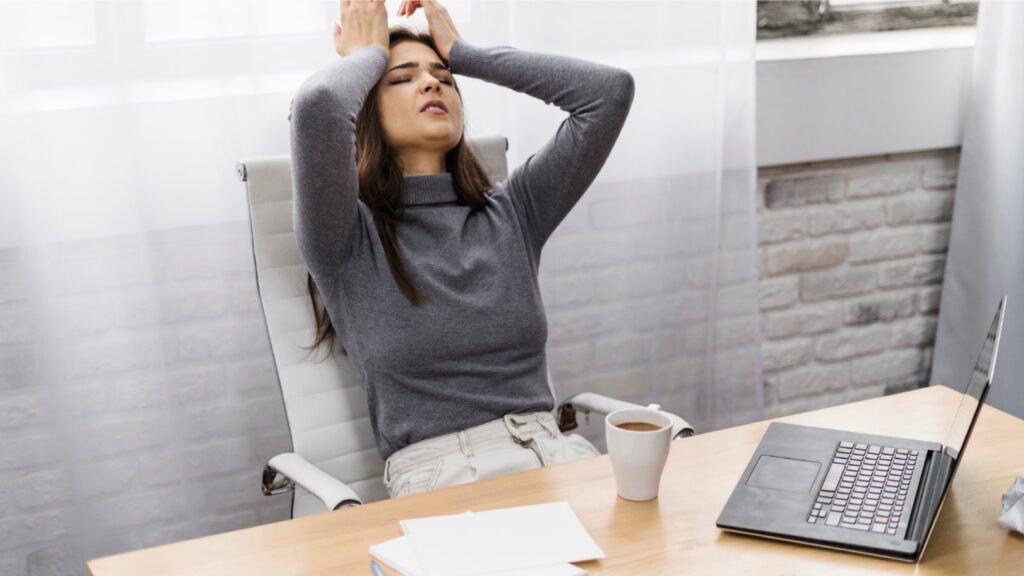
For me, stress looked like constant jaw clenching and racing thoughts. And anxiety made it worse. Meditation helped me notice these patterns first and then slowly loosen their grip.
There were days I would wake up already tired, like my body had run a marathon in my sleep. Even small things like replying to a message and deciding what to eat felt overwhelming. It was only when I began pausing, sitting still for a couple of minutes, that I realised how much tension I carried. Meditation didn’t erase that stress instantly but it gave me enough awareness to catch it in the act. That pause itself was powerful.
My Raw Take on Meditation
Here’s the honest truth: meditation is not easy at first. My mind was like a circus when I began, planning dinner, worrying about work, replaying old conversations. I thought I was “failing” at it.
But slowly, I realised meditation isn’t about emptying the mind. It’s about noticing what’s there without judgment. Even two minutes of breathing with awareness is meditation. And those small practices stacked up.
At first, I treated meditation like another task on my to-do list. Some days I’d sit there fidgeting, secretly checking the clock every 30 seconds. Other days I’d feel calm, only to be completely restless the next. What surprised me most was realising that both days counted. The messy, distracted sessions were as valuable as the peaceful ones because both taught me how my mind works.
It’s like holding up a mirror, some days you see your reflection clearly, other days it’s blurry. But either way, you start recognising yourself better.
After a few weeks, I noticed that I could fall asleep faster and I felt calmer walking into stressful situations.
It wasn’t magic. It was consistent, messy and human!
One of my favourite discoveries was how meditation crept into ordinary moments. I’d be waiting for my coffee to brew and instead of scrolling aimlessly on my phone, I’d close my eyes and breathe for a minute. I realised that meditation didn’t always need a cushion, candles or silence. It could happen while sitting in a car, standing in a long queue or even in the middle of a stressful workday. That flexibility made it easier to stay consistent.
I don’t want to pretend meditation is the only answer. Exercise, therapy, journaling or even medication may also be necessary depending on the severity of stress and anxiety. But meditation pairs beautifully with these tools.
The Bigger Picture
One of the unexpected benefits I found was how meditation influenced more than just stress relief. My sleep improved and digestion calmed down. In short, it helped my overall health.
That’s because stress and anxiety don’t just live in the mind; they show up in the body. By calming the nervous system, meditation creates a ripple effect across well being.
And maybe that’s the real secret! Meditation doesn’t erase life’s problems, but it gives you the strength to face them with more balance, clarity, and yes even happiness.
There’s also a certain humility meditation brings. On tough days, it reminded me that it’s okay to not have control over everything. On good days, it reminded me to stay grounded instead of getting carried away. That balance of not being too high or too low has been one of the most valuable gifts.
Final Word
So, does meditation help in combating stress and anxiety? Absolutely.
Not as a quick fix. Not as a cure all. But as a simple, consistent practice that builds resilience, calms the body and gives your mind room to breathe.
If you’ve been battling stress or anxiety, I’d say try it. Start small. Two minutes a day. Don’t wait for the ‘perfect setup’. Just breathe, notice and repeat.
You don’t need to “do it right.” You just need to show up for yourself, again and again. Some days will feel easy, others will feel impossible, but every attempt counts. Think of it like planting seeds, you may not see the results immediately, but over time, the garden grows.
Meditation reminds us that while we can’t always control the storm, we can learn to steady the ship!
Frequently Asked Questions
Meditation calms the nervous system and reduces the body’s “fight or flight” response. By practicing regularly, it lowers stress hormones, eases anxiety, and promotes emotional balance.
Breathing with awareness means paying attention to each inhale and exhale. This mindful practice signals the brain to relax, slows the heart rate, and reduces tension—making it an effective tool for managing stress and anxiety.
Yes. Conscious breathing slows rapid thoughts and stabilizes the nervous system. Focusing on slow, deep breaths during an anxiety attack helps the body shift from panic to calm.
Even 2–5 minutes of meditation or mindful breathing each day can ease stress and anxiety. With consistency, the benefits grow—leading to better sleep, focus, and emotional resilience.