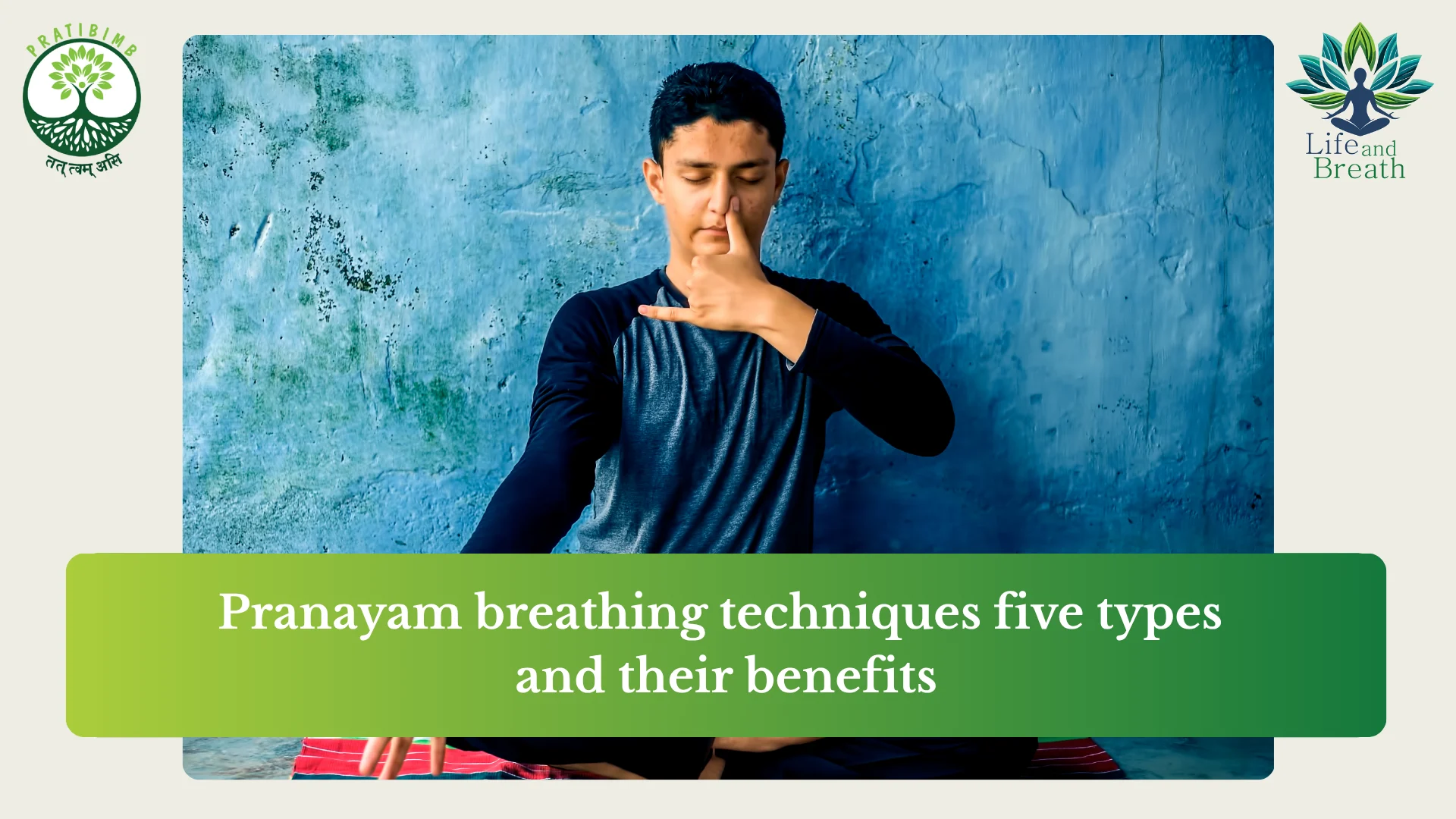
What are the best pranayama breathing techniques for health?
The best pranayama breathing techniques for holistic health include Anulom Vilom for balance, Kapal Bharti for detoxification, and Bhramari for instant mental calm. According to the “Science of Life and Breath,” the most effective approach involves a “Give and Take” philosophy: prioritizing vigorous exhalation with a “pressure cooker” sound to expel carbon dioxide, followed by deep inhalation through a widened throat to maximize oxygen intake.
The Ancient Roots of the Science of Life and Breath
When looking for the best breathing techniques, it is essential to understand their origins. While many modern styles exist, the “Life and Breath” science traces its lineage back to the ancient Nalanda University in India. This center of excellence was a hub for deep meditative disciplines before it was lost to history.
Today, these techniques are preserved and taught to help modern individuals regain control over their “Prana”—the absolute energy and vital force that the soul uses to animate the body. By mastering the breath, you aren’t just moving air; you are regulating the very essence of life.
Why Choose a Breathing Techniques Course in India?
India remains the custodian of authentic breathwork. A breathing techniques course in India offers more than just physical exercises; it provides a faultless methodology for mental and physical transformation.
The “Life and Breath” course specifically emphasizes the Law of Give and Take. Most people struggle with breath because they try to “take” (inhale) without first “giving” (exhaling). By focusing on a forceful, rhythmic exhalation, you create the vacuum necessary for a truly revitalizing inhalation. This scientific approach ensures that your lungs are cleared of stagnant gases before fresh oxygen is introduced.
5 Powerful Pranayama Breathing Techniques and Their Benefits
1. Anulom Vilom (Alternate Nostril Breathing)
This is the foundational practice for achieving equilibrium in the nervous system.
- The Technique: Sit with a straight spine. Close your right nostril and inhale through the left. Then, close the left nostril and exhale through the right. Repeat the process in reverse.
- Key Benefits:
- Brings profound balance to the mind and body.
- Effectively reduces stress and daily anxiety.
- Improves mental clarity and concentration levels.
- Supports overall respiratory health by balancing the two hemispheres of the brain.
2. Kapal Bharti (The Breath of Fire)
Known for its energizing and purifying effects, this technique focuses on the power of the abdomen.
- The Technique: Perform forceful exhalations by pulling the stomach/abdomen inwards rapidly. Allow the inhalation to happen naturally and passively between bursts.
- Key Benefits:
- Acts as a natural detoxifier for the internal organs.
- Significantly improves digestion and metabolic rate.
- Provides an immediate boost to your energy levels.
3. Bhramari (Bee Buzzing Breath)
This is often cited as one of the best breathing techniques for immediate emotional regulation.
- The Technique: Sit quietly and close your eyes. Inhale deeply, and as you exhale, produce a steady humming sound, similar to a bee.
- Key Benefits:
- Instantly calms a racing or “monkey” mind.
- Reduces feelings of anger, frustration, and agitation.
- Highly effective for those struggling with insomnia or restless sleep.
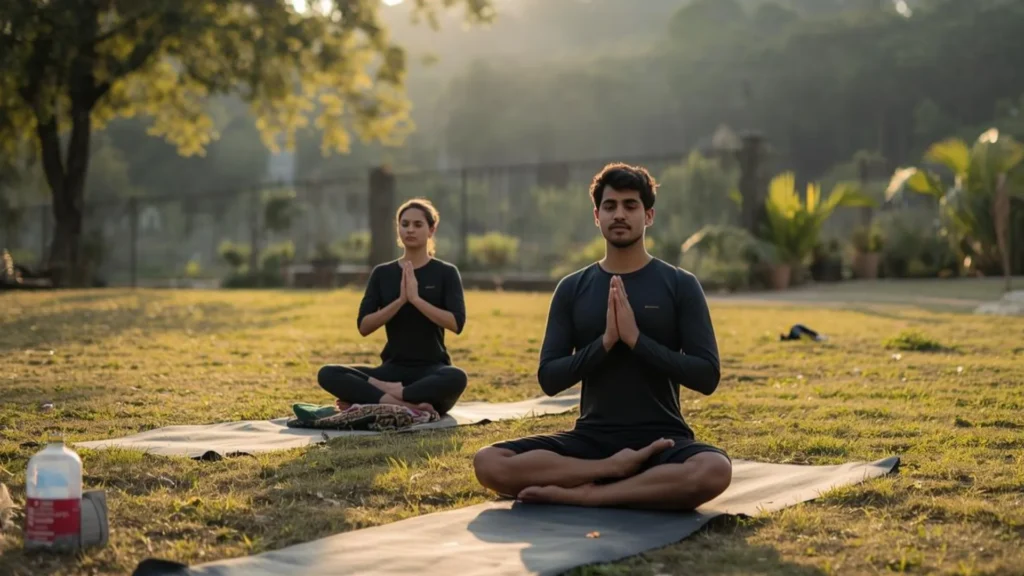
4. Bhastrika Pranayam (Bellows Breath)
A dynamic practice designed to build heat and strengthen the respiratory system.
- The Technique: Sit with an erect spine. Take a deep breath in and then exhale forcefully through the nose. Immediately follow with a forceful inhale. Continue in rapid, short bursts.
- Key Benefits:
- Provides an instant surge of vitality.
- Strengthens the diaphragm and lung capacity.
- Facilitates deep cellular detoxification.
5. Udgeeth Pranayam (Chanting Breath)
This technique bridges the gap between breathwork and meditation.
- The Technique: Inhale deeply and exhale slowly while chanting the sacred word “OM.”
- Key Benefits:
- Improves memory and cognitive function.
- Relieves mental tension and “brain fog.”
- Deepens your connection to your inner self.
Using Breathing Techniques for Anxiety Relief
In moments of crisis, your breath is the only tool that is always with you. Breathing techniques for anxiety work because they provide a “natural anchor.” When your mind feels out of control, the “Life and Breath” philosophy teaches that you should not fight your thoughts. Instead, you should return to your breath.
The “Pressure Cooker” Method for Calm
One of the most effective tools taught in our breathing techniques course in India is the “pressure cooker” exhalation.
- The Action: Exhale vigorously while making a sharp “whistle” sound, similar to a pressure cooker.
- The Science: This forced exhalation helps clear out excessive carbon dioxide, which is often a physical trigger for panic.
- The Routine: We recommend doing two rounds of Pranayam four times a day. This ensures that you remain “Calm in Chaos” throughout your waking hours and achieve sound, restorative sleep at night.
The Physical and Mental Transformation
Consistent practice leads to a “full and harmonious life.” Good breathers are almost always strong and healthy because proper breathing ensures excellent circulation. This circulation, in turn, provides the mental concept of abounding health and vigour.
What Practitioners Experience:
- Physical Strength: Improved lung efficiency and physical stamina.
- Emotional Stability: A shift from being reactive to being responsive.
- Mental Freshness: The ability to stay focused even in high-pressure environments.
Conclusion: A Faultless Path to Health
Pranayam is more than a set of exercises; it is a wholehearted commitment to your well-being. By following the “Life and Breath” science—practicing the techniques both mentally and physically—you can achieve a life free from anxiety and full of vitality.
Remember, your breath is your life force. Treat it with the respect it deserves, practice with sincerity, and the results will follow.
[Ready to transform your life? Join our next Breathing Techniques Course in India and experience the Science of Life and Breath for yourself.]
Frequently Asked Questions