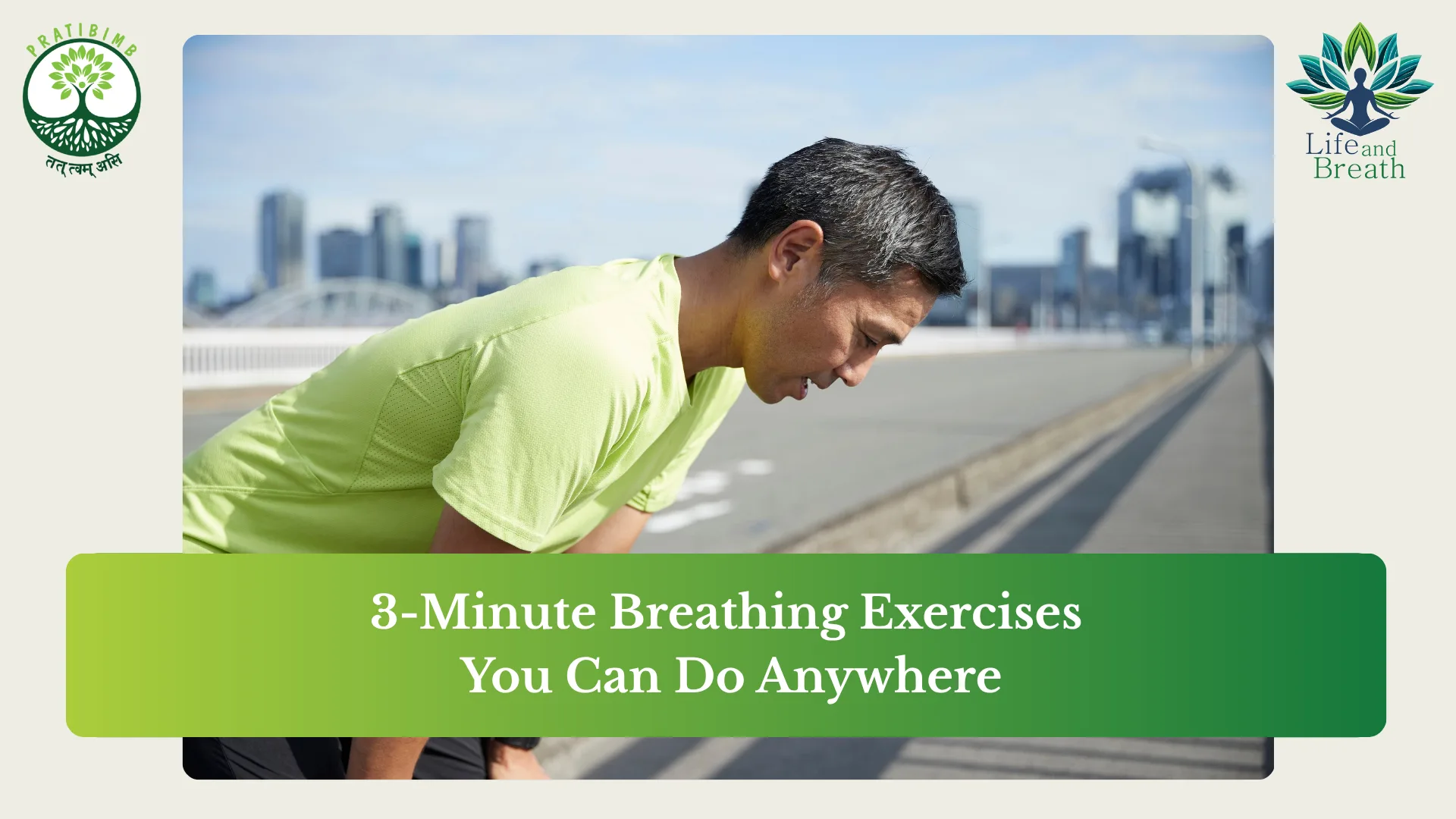
What are the best quick breathing exercises for stress?
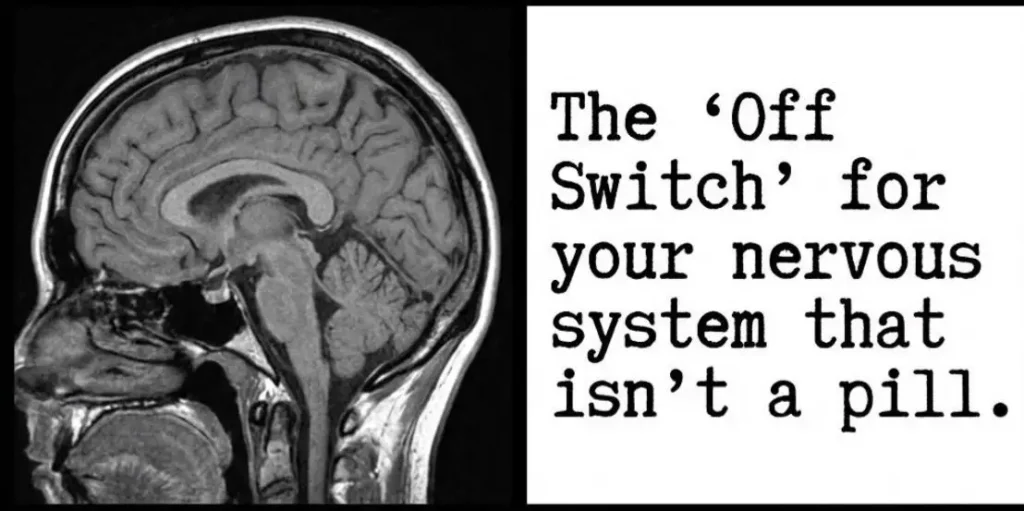
The best quick breathing exercises for stress include Box Breathing, the 4-7-8 Technique, and Pursed Lip Breathing. These exercises work by sending an immediate signal to the autonomic nervous system that you are safe. This shifts your vital processes—such as heart rate and blood pressure—into a “calming zone,” allowing your body to function in a peaceful and productive way within just three minutes.
The Gift of Breath: Why 3 Minutes Can Change Your Day
It has been said that a journey of a thousand miles begins with a single step. In the human experience, that journey begins with the very first breath we take. From that first moment until our last, breath is our constant companion. Yet, because it is automatic, we often take this incredible gift for granted.
In a fast-paced world filled with circumstances beyond our control, your breath is the one thing you can always control. To truly appreciate the beauty of life, you must experience what breath control feels like. It is the experience of being at the cusp of existence—where, while the world around us may feel overwhelming, the breath stands with us as a loyal protector.
The Science of the “Calming Zone”
When you engage in 3 minute meditation breathing, you aren’t just sitting quietly; you are performing a biological intervention.
- The Signal: Conscious breathing sends a message to your nervous system.
- The Shift: It moves you out of “survival mode” and into a state where your heart rate, blood pressure, and body temperature stabilize.
- The Result: Every system in your body begins to work more productively.
3 Essential Quick Breathing Exercises for Daily Life
You don’t need an hour of silence or a yoga studio to find balance. You can use these breathing exercises at work, in transit, or during a busy day to reset your internal state.
1. Box Breathing (The Performance Reset)
Box breathing is a powerful tool used by those in high-stress professions to maintain “calm in the line of fire.” It is highly effective for clearing the mind and centering your energy.
- How to do it:
- Inhale slowly through your nose for a count of 4.
- Hold your breath for a count of 4.
- Exhale slowly through your mouth for a count of 4.
- Wait (hold empty) for a count of 4.
- Best for: Before a big meeting, during a stressful commute, or whenever you feel your “monkey mind” starting to race.
2. The 4-7-8 Technique (The Natural Tranquilizer)
This rhythmic pattern acts as a natural sedative for the nervous system. By making the exhalation significantly longer than the inhalation, you force the body into a state of deep relaxation.
- How to do it:
- Exhale completely through your mouth with a “whoosh” sound.
- Close your mouth and inhale quietly through your nose for a count of 4.
- Hold your breath for a count of 7.
- Exhale completely through your mouth for a count of 8.
- Best for: High-stress moments or as a way to wind down for sleep at the end of a long day.
3. Pursed Lip Breathing (The Subtle Workplace Reset)
If you are looking for breathing exercises at work that won’t draw attention, this is the most discreet and effective method. It keeps the airways open longer and makes each breath more efficient.
- How to do it:
- Relax your neck and shoulders (drop them away from your ears).
- Inhale slowly through your nose for 2 counts.
- Pucker or “purse” your lips as if you were going to whistle.
- Exhale slowly and steadily through your pursed lips for a count of 4.
- Best for: Staying calm at your desk, during a tense phone call, or during light physical activity like climbing stairs.
Why “3 Minute Meditation Breathing” is Better Than Longer Sessions
Many people fail at meditation because they try to do too much too soon. They believe they need 30 minutes of perfect silence to see results. However, the “Life and Breath” philosophy emphasizes Consistency over Duration.

The Power of Micro-Practices
Practicing for just 3 minutes daily is significantly more effective for long-term stress management than doing one long session once a month.
- Neuroplasticity: Short, frequent sessions retrain your brain to stay calm more consistently.
- Accessibility: You can find 3 minutes in even the most “impossible” schedule.
- Immediate Utility: You learn to use the breath while life is happening, not just when you are hiding away from it.
Tips for Success with Quick Breathing Exercises
1. Diaphragmatic Focus (Belly Breathing)
For all these exercises, the secret lies in where the air goes. Most stressed people breathe into their upper chest. To find true calm, you must breathe into your belly. You should feel your abdomen expand outward as you inhale and gently contract as you exhale.
2. Non-Judgmental Awareness
If your mind wanders—which is completely natural—don’t get frustrated. Gently acknowledge the thought, label it if you wish, and return your focus to the sensation of the air entering and leaving your body.
3. Use Your “Natural Anchor”
Your breath is your natural anchor. In moments of anxiety, don’t fight your thoughts. Come back to the rhythm of the breath. In the “Life and Breath” science, we recommend practicing these techniques multiple times a day to remain “Calm even in Chaos.“
Conclusion: Taking Control of Your Existence
Taking just three minutes for yourself is not a luxury; it is a vital tool for mental health and survival in the modern world. Your existence is made possible by the courtesy of this breath. When you learn to control it, you learn to control your life.
Next time you feel the “3 PM slump,” a wave of stress hitting, or the pressure of a deadline, remember that peace is not something you have to go searching for. It is not in a distant retreat or a quiet mountain.
Peace is exactly three minutes away. Sit. Breathe. Practice. And experience what it feels like to be truly alive through your own conscious effort.