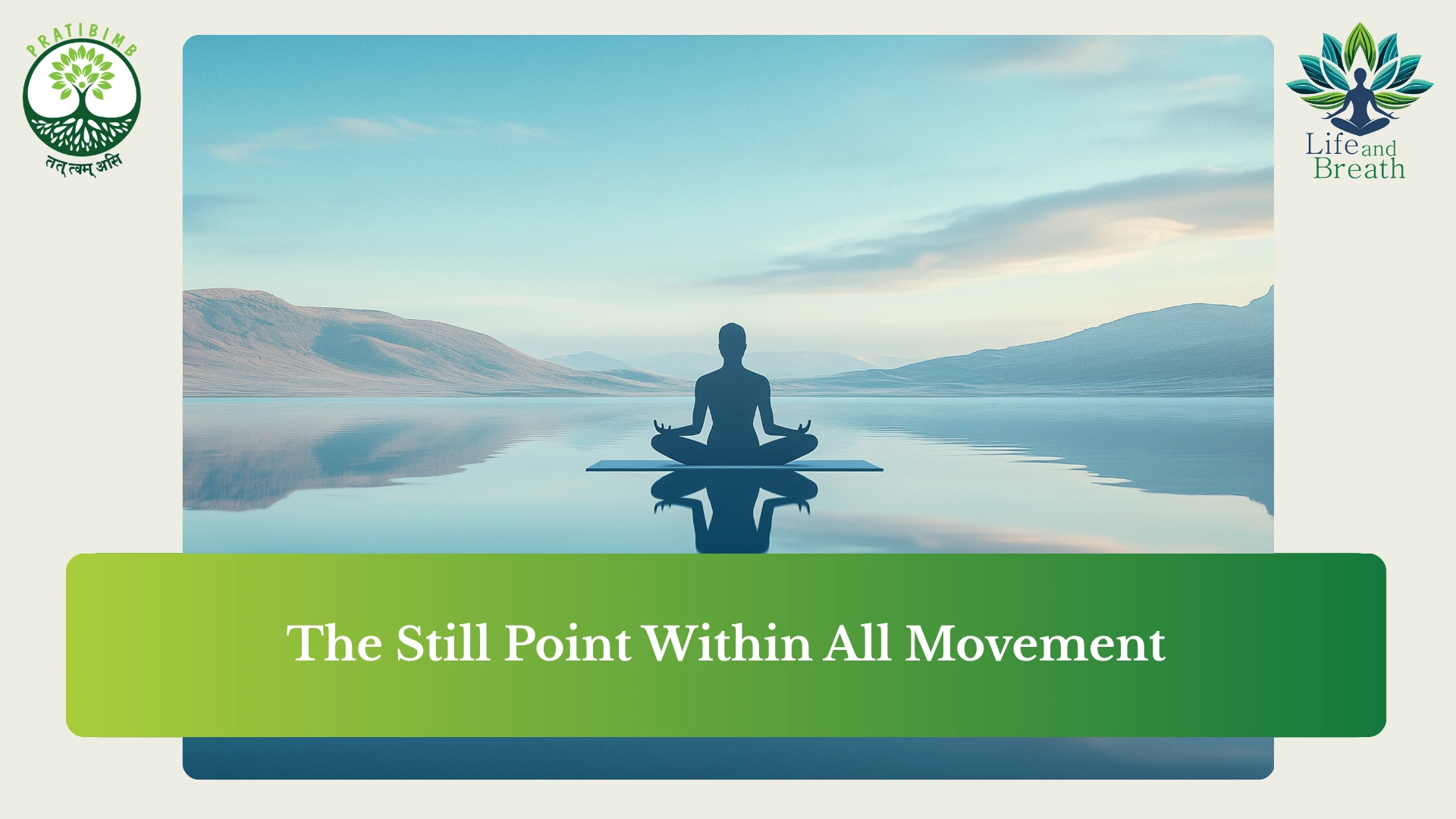
There are days when everything feels like it’s moving too fast. You wake up already behind, scroll through headlines before brushing your teeth, and the rhythm of notifications becomes your background score. It’s strange, isn’t it, how stillness has become such a luxury word like something reserved for people who live in mountain cabins or take digital detox retreats. But the truth is, stillness isn’t about escaping movement. It’s about finding that quiet pulse right in the middle of it.
I didn’t always believe that. For the longest time, I thought calm came from rearranging life, i.e., finishing tasks, fixing what was messy, silencing the noise outside. But no matter how much I crossed off my to-do lists, something kept humming inside, restless and unfinished. There was always another thing waiting. Another thought to catch. Another distraction pretending to be important.
The first time I understood what “stillness” really meant, it wasn’t during meditation or a calm evening. It was actually in a crowded train. I remember the chaos, the noise, the sweat, the crowd pressing in. And yet, for a moment, I just stopped trying to resist it. I stopped tightening my shoulders, stopped scrolling, stopped escaping into my head. I just breathed. The train was still moving, people were still talking, but something inside me paused. It wasn’t peaceful in the traditional sense, but it was steady. I could feel this thin thread of silence running through all the movement. That was the still point.
It’s hard to describe that feeling without sounding overly poetic, but maybe that’s the point. Stillness doesn’t announce itself. It doesn’t come with incense sticks and crossed legs. It appears quietly, in the most ordinary moments when you’re washing dishes, walking to work, sitting in traffic. It’s like the space between two notes in a song. You might miss it if you’re not listening closely.
Meditation eventually became a way to notice those spaces more often. Not because it made me calmer overnight, but because it made me aware of how much I was running from silence. The first few times I tried to meditate, I spent more time planning work and revisiting conversations in my head than actually “being present.” But the more I practiced, the more I realised that stillness isn’t about emptying your mind. It’s about seeing the movement of your thoughts without getting swept away by them.
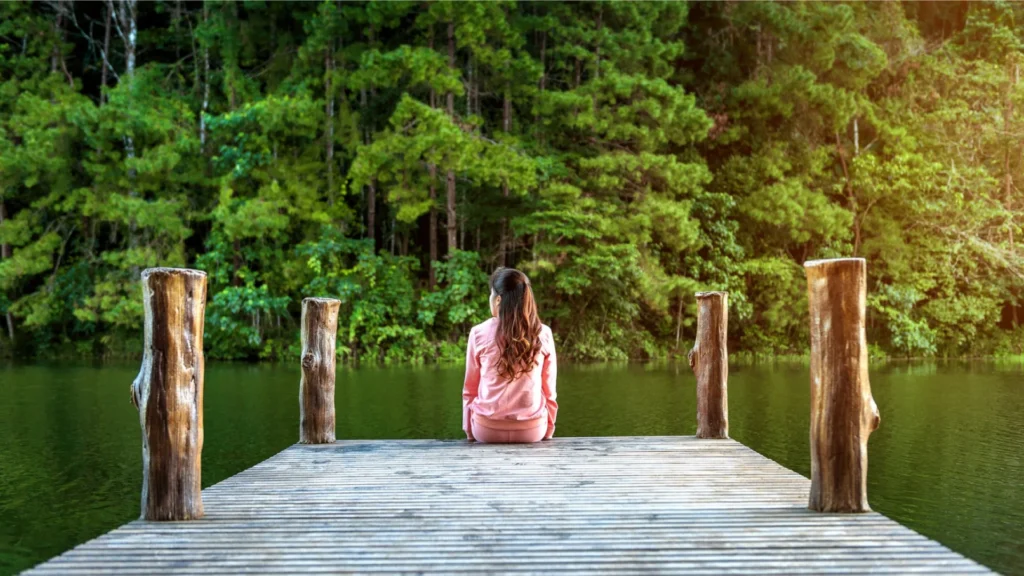
There’s something deeply human about wanting control, wanting to manage every wave of thought and emotion. But the more we try to control, the more we get caught in the storm. Finding stillness, at least for me, has become about learning to float instead of fight. The chaos doesn’t disappear. It just loses its grip when you stop clinging to it.
I think about dancers sometimes. How they move through rhythm and chaos but always find that split-second pause, that center of balance before the next step. That’s what stillness feels like in life, not the absence of movement, but a deep awareness within it. You can be surrounded by noise and still carry silence inside you like an anchor.
The world doesn’t make it easy, though. Our culture celebrates movement, the faster, the better. Productivity is worn like a badge. Rest feels like rebellion. And silence? It’s often mistaken for emptiness. We’ve learned to measure our days in output, not in awareness. But stillness doesn’t need to be earned. It’s already there, underneath the rush. We just forget to look.
Sometimes, I find it in small, almost invisible ways, the way morning light lands on the floor, or how water sounds when it hits a cup. Those tiny moments don’t fix the chaos, but they change how you move through it. They remind you that peace isn’t somewhere else, waiting at the end of your to-do list. It’s right here, hiding in plain sight.
There’s a story a monk once told about a man standing by a river. The river keeps flowing, sometimes calm, sometimes wild but the man isn’t trying to stop it. He just watches. That’s how the monk described meditation: you become the one watching the river of thoughts and emotions without trying to dam it up. You start to realise that awareness itself doesn’t move, even when everything around it does.
That’s what I think the “still point within all movement” really is that steady watcher inside you, untouched by what’s happening outside. The mind will race, the body will rush, life will swirl. But there’s something underneath it all that remains quiet, like the ocean floor beneath crashing waves.
I once met someone who said they found their calm while running. I didn’t understand that at first how can you be still when your body is literally in motion? But that’s the beauty of it. Stillness doesn’t depend on stillness of the body. It’s a state of being. For them, the rhythm of running became a kind of meditation step, breath, heartbeat, repeat until the noise in their head softened into background music.
It made me realise that movement itself can be a doorway to calm if we enter it with awareness. Whether it’s running, painting, or even cooking, the act becomes a kind of moving meditation when your attention fully rests in it. It’s not about stopping life to find peace, but living life so attentively that peace reveals itself in motion.
Of course, it’s easier said than done. There are days when everything feels too heavy, when you can’t find a moment to breathe between the demands of work, family, and the constant digital chatter. On those days, stillness feels impossible, almost naive. But maybe that’s when it’s needed most. Because stillness doesn’t require the world to slow down. It asks you to soften, even for a moment.
When I look back, the moments that changed me most weren’t the grand ones. They were the pauses the second before reacting, the quiet breath before speaking, the heartbeat of awareness before making a decision. That’s where clarity lived. That’s where I could see things as they were, not as I feared or wanted them to be.
Mindfulness, for me, became less about sitting in meditation and more about returning to that space again and again during conversations, while waiting in line, while scrolling through yet another feed. It’s the gentle reminder that I can always come back to that still point, even if just for a breath.
And every time I do, something shifts. The noise doesn’t vanish, but it loses its power. The day feels a little less rushed. The mind feels a little less tangled. It’s not perfection — it’s presence. And maybe that’s all stillness really is: presence without the need to fix or flee.
There’s a line from T. S. Eliot that I keep coming back to:
“At the still point of the turning world, there the dance is.”
It captures something profound that even as life spins, the center remains unmoved. It’s not about escaping the dance but about finding the rhythm that keeps you balanced within it.
Sometimes, when I sit in meditation now, I think of that line. I imagine the world spinning emails, deadlines, conversations, memories, everything moving and somewhere in the middle, there’s this silent axis that holds it all. That’s where peace lives. That’s the still point.
And when I step back into the world back into the messages, the noise, the plans I try to carry that awareness with me. Not perfectly, not always, but enough to remember that silence is never lost. It’s just waiting for me to notice it again.
Because maybe that’s what life really is, not a search for stillness at the end of chaos, but learning to find the calm heartbeat within it. To realise that every breath is both movement and stillness at once. That we don’t have to run away to find balance. We only have to remember that the still point has always been there, quietly watching, patiently waiting, within us.
.
Frequently Asked Questions
Meditation helps calm your mind even when life feels overwhelming. By observing thoughts without reacting, you begin finding stillness in the midst of life’s chaos and reconnect with inner balance. restlessness.
Regular meditation for inner calm and balance reduces stress, improves focus, and builds emotional stability. It helps you stay grounded and peaceful in everyday challenges.
Yes. Finding stillness in the midst of life’s chaos can happen through simple acts like mindful walking, breathing, or cooking—when you stay fully present and aware.
At first, meditation for inner calm and balance feels hard because the mind resists slowing down. With consistent practice, thoughts settle naturally, and inner peace grows.
Take short mindful pauses, breathe deeply, or observe your surroundings. These quick resets help in finding stillness in the midst of life’s chaos, even on hectic days.