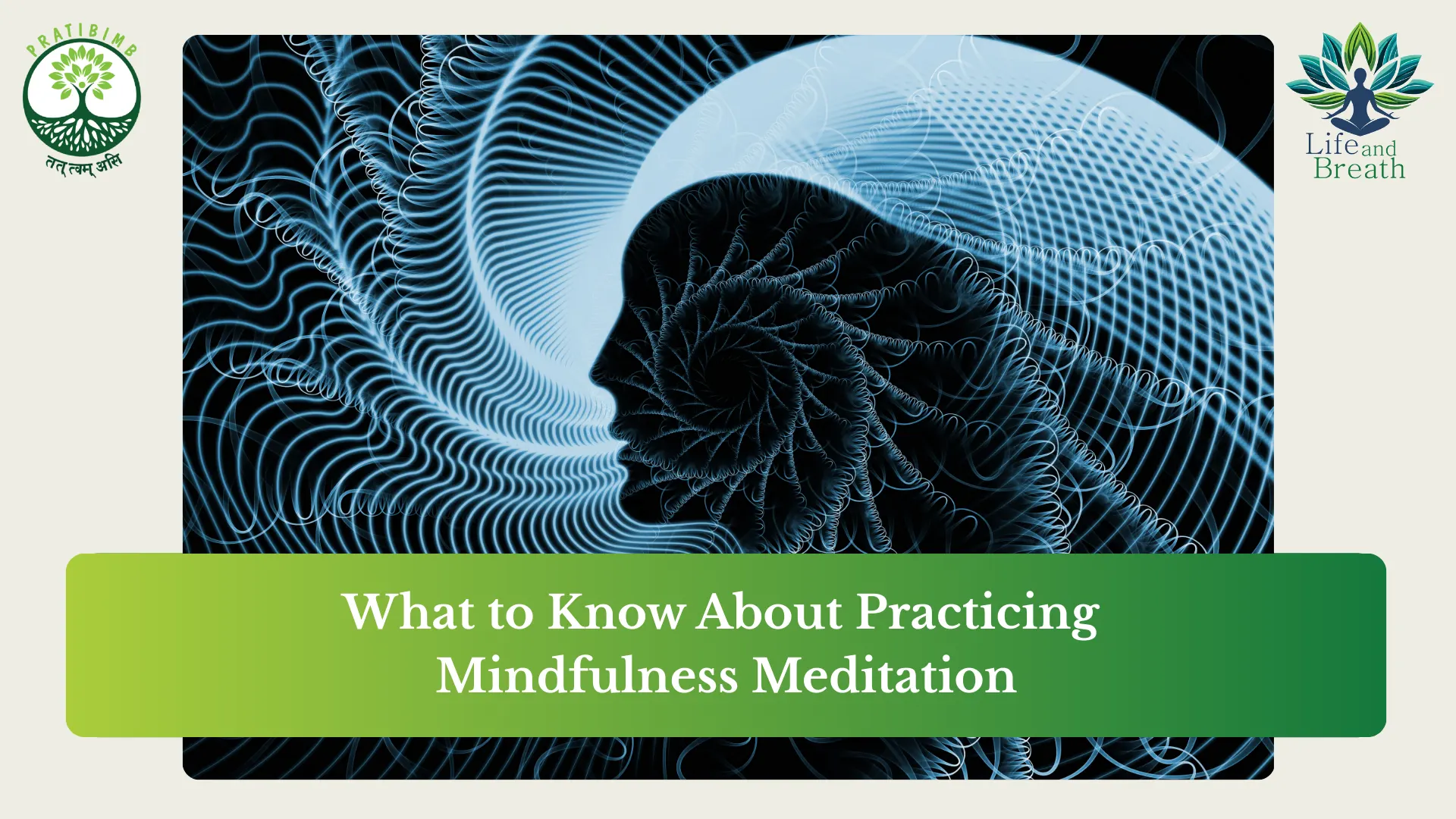
What is mindfulness meditation and how do you start?
Mindfulness meditation is the practice of sitting, breathing, and noticing the present moment without judgment. To start, you do not need a perfect setup or a quiet mind; you simply sit as you are and observe your thoughts as they arise. It is not about stopping thoughts, but about changing how you relate to them, moving from reactivity to steady observation.
The Reality of Starting Mindfulness Meditation
Many people believe that meditation and mindfulness require a cinematic setting—soft music, perfect lighting, and a sudden life-changing epiphany. The reality is often much noisier. For most, the journey begins on a random evening when the brain feels like it has ten browser tabs open at once, each louder than the last.
When you first sit down to practice, you might expect your mind to go completely blank. Instead, it often gets louder. Random memories, unfinished to-do lists, and awkward conversations from years ago tend to surface. This is not a sign of failure; it is the first step of awareness. You are finally giving your mind the silence it needs to speak up.
Why “Mind and Peace” Isn’t About a Blank Mind
The biggest myth in the world of mindfulness meditation is that you must stop your thoughts to succeed. In reality, trying to stop your thoughts is like trying to stop the wind.
Understanding the “Observer” Perspective
The goal of achieving Mind and Peace is to become an observer. Imagine your thoughts are like cars passing by on a busy street.
- The Old Way: You jump into every car (thought) and let it drive you wherever it wants to go.
- The Mindfulness Way: You sit on the sidewalk and simply watch the cars pass. You notice the “Anxiety” car, the “Work” car, and the “Memory” car, but you stay on the sidewalk.
This shift in perspective is the foundation of mind-body healing courses in India and across the globe. It transforms meditation from a struggle into a practice of gentle observation.
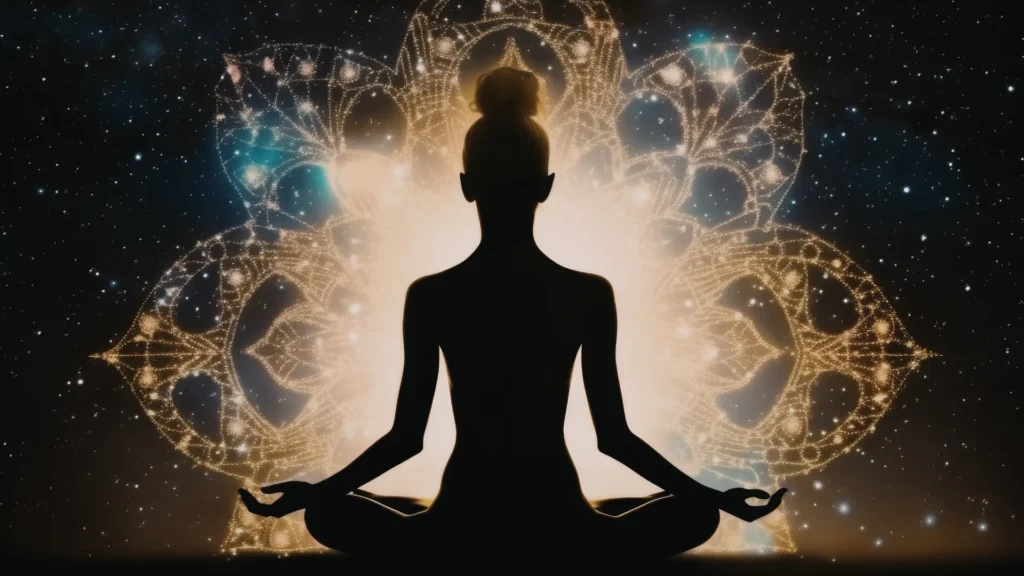
Meditation and Mindfulness: The Role of the Breath
In the middle of mental chaos, the breath serves as your anchor. It is the one thing that is always happening in the “now.” When your mind wanders—and it will—the breath is the place you return to.
How to Use the Breath as an Anchor:
- Acknowledge the Wander: When you realize you are thinking about tomorrow’s lunch, don’t get frustrated.
- Gentle Return: Simply notice the thought and gently bring your attention back to the sensation of air entering and leaving your body.
- Repeat: You may have to do this a hundred times in ten minutes. That is the practice. Every time you return to the breath, you are strengthening your “mindfulness muscle.”
The Benefits of Mind-Body Healing Courses in India
India has long been the global hub for deep internal work, offering some of the most profound mind-body healing courses in India. These programs teach that mindfulness is not a quick fix, but a cumulative lifestyle change.
What Self-Development Through Meditation Looks Like:
- Honest Reflection: Sometimes sitting quietly brings up uncomfortable feelings you’ve been avoiding.
- Clarity over Avoidance: Instead of pushing discomfort aside, you see things clearly. This “honesty” in practice is where real healing begins.
- Responsive Living: You change how you sit with things, how you notice them, and ultimately, how you respond to life’s stressors.
Common Misconceptions About Mindfulness Meditation
1. “I am not disciplined enough.”
You don’t need to be a monk to practice. Mindfulness meditation is for people with busy lives, messy rooms, and loud minds. It is a practice for the “restless,” not just the “disciplined.”
2. “It should always feel calm.”
Mindfulness can be uncomfortable. Seeing your thoughts clearly can be startling. However, these honest moments—even the unpleasant ones—feel more “real” than the constant distraction of scrolling through a phone.
3. “I need a perfect environment.”
There is no perfect setup. You don’t need to wait for the kids to be asleep or the house to be silent. You can start exactly where you are, in the middle of the noise.
The Long-Term Impact: How Mindfulness Changes Your Story
Over time, meditation and mindfulness stop being “tasks” and start becoming part of how you experience your day. You begin to notice the small gap between a stressful event and your reaction to it.
In that gap lies your freedom. You no longer feel the need to reach a “perfect version” of yourself. Instead, you find a version of yourself that is more present, more curious, and less pressured. Achieving Mind and Peace doesn’t mean life gets quieter; it means you get better at navigating the noise.
Conclusion: Just Sit, Breathe, and Notice
If you are exploring mindfulness meditation, approach it with curiosity instead of pressure. It is not a cinematic escape from life; it is a grounded return to it. Whether you are in a quiet room or a busy city, the tools for Mind and Peace are already within you.
You do not need to wait for a life-changing moment to start. You can start right now.
Just sit, breathe, and notice. That is enough.