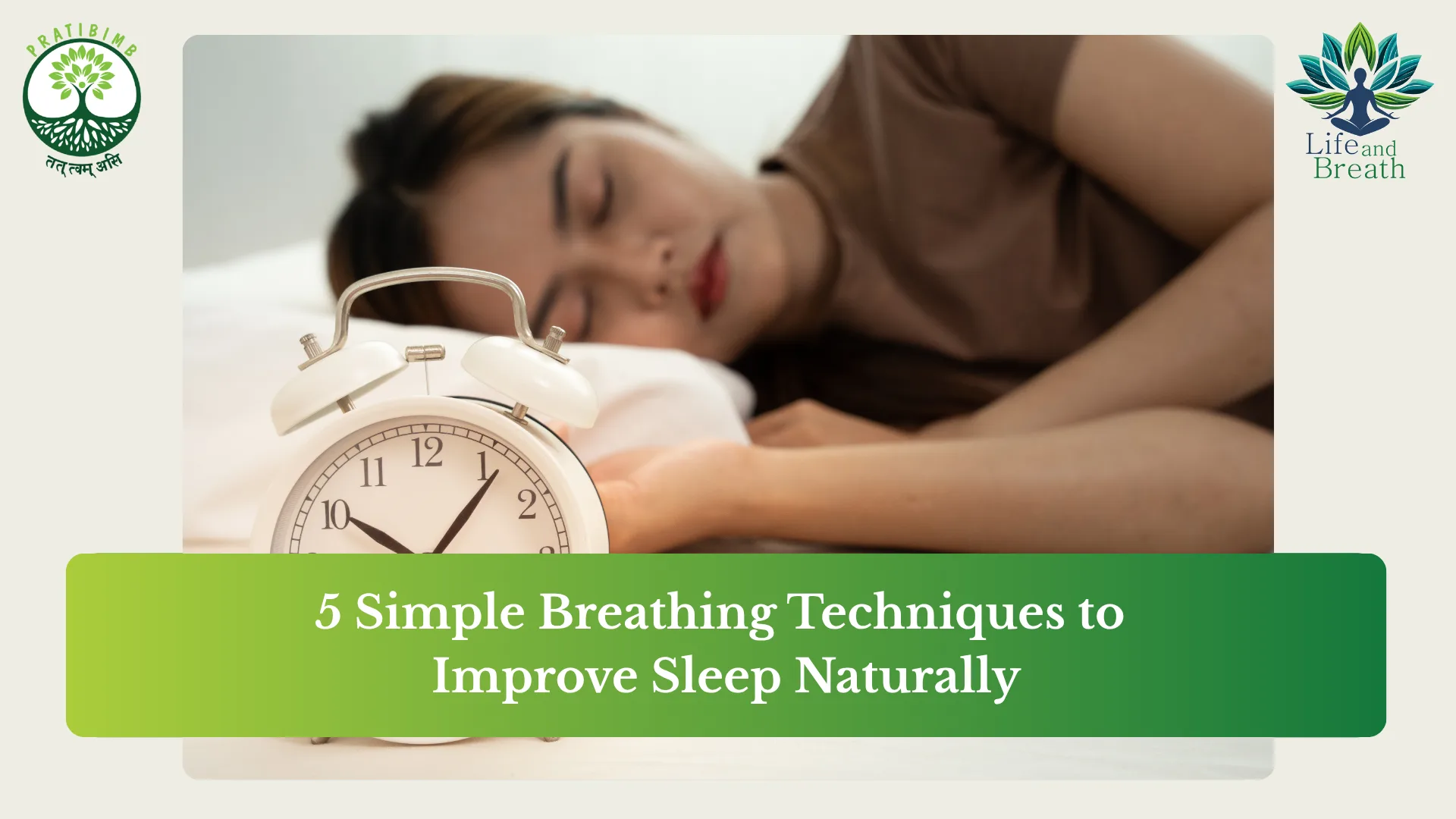
How can you fall asleep faster naturally using breathing?
You can fall asleep faster naturally by using breathing techniques for better sleep like the Slow Exhale and the Physiological Sigh. These methods work by signaling to your nervous system that “day mode” is over. By consciously slowing your respiratory rate, you lower your heart rate and tell your brain it is safe to transition into sleep, effectively bypassing the “racing thoughts” that often cause insomnia.
The Reality of Modern Insomnia: When Sleep Stops Being Automatic
Many of us grew up thinking sleep was a simple, automatic process: you lie down, you close your eyes, and you drift off. However, in a world of constant digital stimulation and high-pressure deadlines, sleep often feels like a skill we have lost.
When you lie awake at night, your body is often still in a high-alert state. Your heart rate is slightly elevated, your jaw is tight, and your breathing is shallow. This is where breathing exercises for insomnia become vital. They aren’t “magic pills,” but they are the most direct way to manually override your body’s stress response.
Why Breathing Matters for Sleep (The Non-Expert View)
For a long time, the advice to “just breathe” sounded too basic to be effective. But the science is simple: breathing is one of the few autonomic functions we can consciously control. By changing how we breathe, we change how we feel. Instead of trying to force sleep—which usually just makes us more awake—we use breath to create the right conditions for sleep to happen.
3 Gentle Breathing Techniques for Better Sleep
Based on personal experience and trial-and-error, these three techniques are approachable for beginners and don’t require any special equipment or “meditation” experience.
1. The Slow Breathing Method (The Foundation)
This is the simplest way to move your body out of “day mode” and into a restorative state.
- The Goal: Focus entirely on the feeling of the air moving in and out.
- The Practice: Don’t worry about counting or specific ratios at first. Just try to make each breath a little slower and a little deeper than the one before it.
- The Result: It acts as a gentle anchor, giving your mind one simple thing to focus on instead of the a hundred worries of the day.
2. The Longer Exhale (The Nervous System Reset)
If you want to know how to fall asleep faster naturally, the secret is almost always in the exhalation.
- The Technique: Breathe in normally through your nose, but make your exhale much longer and slower than your inhale.
- The Science: A long exhale is a specific physiological trigger for the parasympathetic nervous system (your “rest and digest” mode). It sends a direct message to your brain: “We are safe. We can relax.”
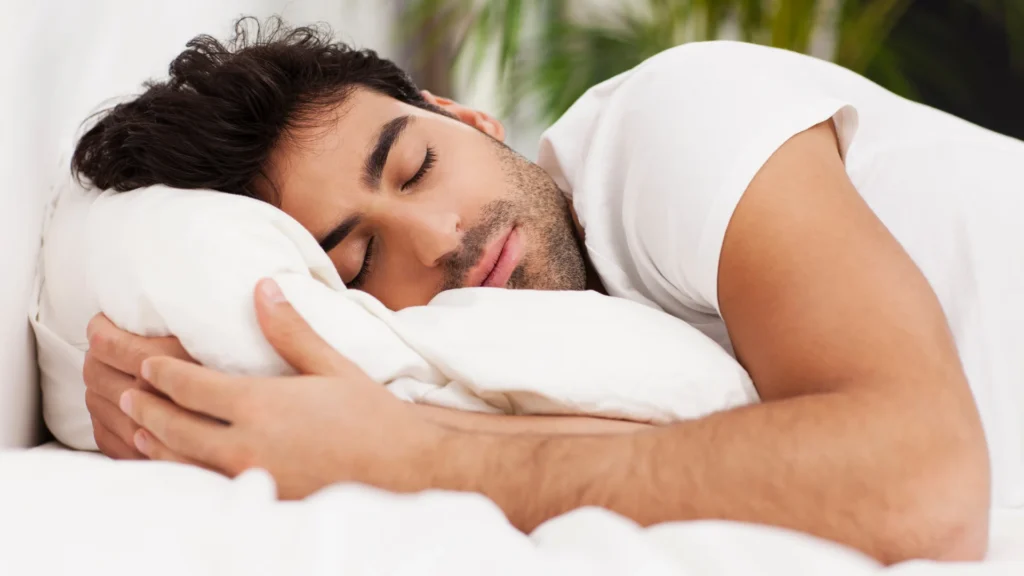
3. The Physiological Sigh (The Instant Decompress)
This is a research-backed technique that is surprisingly effective for those nights when your chest feels tight with anxiety.
- The Pattern: Take a deep inhale through the nose, and then follow it with a very slow, heavy exhale through the mouth—like a literal sigh of relief.
- The Purpose: This helps release built-up carbon dioxide and physically “drops” the tension out of your shoulders and chest.
Moving from “Task” to “Process”: A Mindset Shift
One of the biggest hurdles for people looking for breathing exercises for insomnia is the pressure to “get it right.” When we treat sleep like a task we are failing at, we create more stress, which keeps us awake.
Creating the Right Conditions
Breathing doesn’t force you to sleep; it creates the environment for sleep.
- Stop Fighting: Stop trying to “win” at sleeping.
- Ease Into It: Think of these techniques as a bridge. You are walking across the bridge from the noise of the day to the quiet of the night.
- Acceptance: Some nights it works perfectly; some nights it takes longer. That’s okay.
Why a Guided Online Breathing Exercises Course Can Help
While these simple techniques are a great start, many people find that they need more structure to build a lasting habit. This is where a breathing techniques course or a guided breathing course can be incredibly beneficial.
What a course offers beginners:
- Consistency: Having a guided session helps you stay in the practice when your mind wants to wander.
- Simple Explanations: Understanding the “why” behind the breath helps reduce the frustration of the learning curve.
- A Calm Voice: Sometimes, just having a calm voice to follow is enough to break the cycle of lonely, late-night overthinking.
Common Obstacles: What Happens When it Doesn’t Work?
It’s important to be honest: none of these techniques work instantly every single time.
Dealing with the “Noisy Mind”
If you are practicing your breathing techniques for better sleep and your mind is still racing, don’t get angry with yourself.
- The Recognition: Notice the thought.
- The Return: Gently bring your attention back to the breath.
- The Frequency: You might have to do this 50 times. That isn’t failure—that is the practice.
Avoid Overcomplicating
If a technique feels too complicated or starts to feel like a “chore,” stop and go back to the simplest version. The moment a breathing exercise becomes a source of stress, it loses its power to help you sleep.
Final Thoughts: Making the Nights a Little Softer
Insomnia is a lonely experience. When the world is quiet and you are the only one awake, the pressure to sleep can feel immense. But remember, you are not “failing” at sleep. You are simply a human being with a nervous system that is currently a little too “loud.”
Using breathing exercises for insomnia is a way of being kinder to yourself. It is a way of opening a window in a stuffy room—the room might not change completely, but the air feels a little lighter.
If you’re trying this tonight, pick one simple breath. Don’t overthink it. Just breathe, notice, and let the night become a little softer.
Frequently Asked Questions