Have you ever had one of those days where your heart feels like it’s racing for no reason, your shoulders are tense, and even after getting into bed, your mind just refuses to switch off?
For the longest time, I thought this was just what being an adult felt like. Deadlines, constant notifications, work stress, family responsibilities, and somehow trying to have a social life too. It almost became normal to feel anxious all the time.
But I recently came across something called the fight or flight response, and it explained so much about why my body always felt like it was preparing for something bad to happen.
The strange part is that you don’t need to be running away from danger for your body to react this way. Sometimes replying to emails, dealing with traffic, worrying about money, or scrolling through upsetting news can keep your body in the same state.
Let’s talk about what happens when your body gets stuck there and how to slowly bring it back to a calmer place.
What is the fight or flight response?
The fight or flight response is your body’s natural survival system.
Imagine you’re walking down a road and suddenly a dog starts chasing you. Your brain instantly tells your body that you’re in danger. Your heart beats faster, your breathing changes, your muscles tighten, and adrenaline kicks in so you can either fight the danger or run away.
This reaction is actually amazing because it keeps us safe.
The problem starts when your brain thinks everything is a threat. Your boss sending a “Can we talk?” message.
An unexpected phone call.
Financial stress.
Even constantly checking social media.
Your body cannot always tell the difference between a real physical danger and emotional stress. It reacts to both in very similar ways.

Signs your body is stuck in fight or flight mode
Sometimes the signs are obvious. Other times, you just feel “off” without knowing why.
Here are a few common signs your body is stuck in fight or flight mode.
You’re always tired but can’t relax
This one confused me the most. You feel exhausted throughout the day but when it’s finally time to sleep, your brain suddenly wants to replay every awkward conversation you’ve ever had. Your body is tired but your nervous system is still on.
Your shoulders and jaw are always tense
Have you ever realised you’ve been clenching your jaw for hours? Or that your shoulders are almost touching your ears? Muscle tension is one of the biggest signs that your body thinks it’s under pressure.
Your heart races for no reason
You could just be sitting at your desk, yet your heart feels like you’ve just sprinted up five flights of stairs. This doesn’t always mean something serious is wrong, but it can happen when your body is constantly on high alert. You struggle to focus. You open your laptop. Then your phone. Then another tab. Then Instagram. Then somehow you’ve forgotten what you were even supposed to do.
When your brain is in survival mode, concentrating becomes much harder.
Digestive issues
Stress doesn’t only affect your mind. It can also affect your stomach. Some people lose their appetite. Some people lose their appetite. Others overeat. Some experience bloating, acidity, or stomach discomfort more often during stressful periods.
You always expect something to go wrong
Even when everything is actually okay, your brain keeps waiting for bad news. You might feel like you’re constantly preparing for the next problem. That feeling of never fully relaxing is another common sign.
Why does this happen?
Our bodies were designed for short bursts of stress. Run from danger. Reach safety. Calm down. That’s how it worked for thousands of years. Today’s stress doesn’t usually end in ten minutes. Bills don’t disappear overnight. Work pressure keeps coming. Phones keep buzzing. There is always another notification, another deadline, another thing to worry about.
Because the stress never really stops, our nervous system doesn’t always get the chance to settle either.

How to reset your nervous system naturally
The good news is your nervous system wants to feel safe. You don’t have to completely change your life overnight. Small habits repeated regularly often make a much bigger difference than one big lifestyle overhaul. If you’re wondering how to reset your nervous system naturally, here are a few simple things that can help.
Try breathing exercises
It sounds almost too simple, but breathing really does matter. When we’re stressed, our breathing becomes shallow without us even noticing. Slowing it down sends a signal to your brain that you’re safe. One breathing technique you can try is this. Breathe in through your nose for four seconds. Hold your breath for four seconds. Breathe out slowly through your mouth for six seconds. Repeat this for about five minutes. These gentle breathing exercises for nervous system regulation can be surprisingly calming, especially before sleeping or during a stressful workday.
Go outside for a few minutes
Fresh air genuinely helps. You don’t need to hike a mountain. Even sitting in a park or taking a ten minute walk around your neighbourhood can make you feel more grounded. Sunlight, greenery, and simply changing your surroundings can interrupt the cycle of constant stress.
Move your body
Exercise doesn’t have to mean spending an hour in the gym.
Stretching.
Walking.
Dancing in your room.
Cycling.
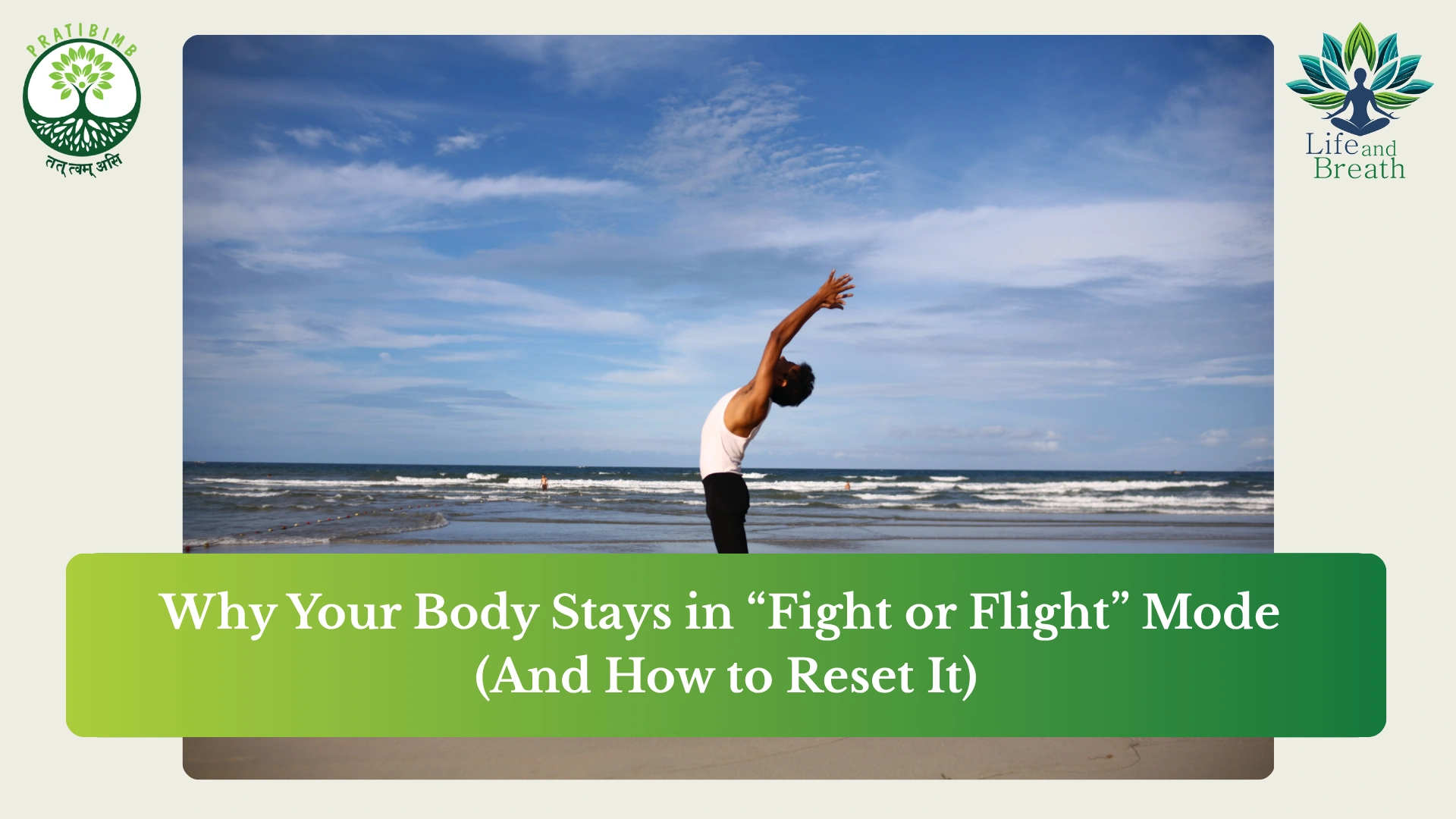
Yoga.
Anything that gets your body moving can help release some of that built up tension. Sometimes your body simply needs somewhere to put all that extra energy.
Reduce constant stimulation
Our brains rarely get a break anymore.
Phone notifications.
Instagram reels.
Emails.
Podcasts.
Videos playing while we eat.
Sometimes sitting in silence for even five minutes feels uncomfortable. That’s probably a sign we need it more often. You don’t have to completely quit social media. Maybe just give yourself small pockets of quiet during the day.
Prioritise sleep
This one is easier said than done. When your nervous system is overstimulated, sleep often becomes difficult. Instead of forcing yourself to sleep immediately, try winding down first. Dim the lights. Avoid scrolling endlessly in bed. Read a few pages of a book. Listen to calming music.
Even creating a predictable bedtime routine can help your brain understand that it’s time to slow down.
Eat regularly
Skipping meals can make stress feel even worse. When blood sugar drops, your body can feel shaky, anxious, and irritable. Eating balanced meals throughout the day helps your body feel more stable. You don’t have to eat perfectly. Just consistently.
Talk to someone
Stress has a funny way of making us isolate ourselves. Sometimes simply telling someone, “I’ve been feeling overwhelmed lately,” makes things feel a little lighter. You don’t always need advice. Sometimes you just need someone to listen.
What if nothing seems to help?
If you’ve been feeling constantly anxious, exhausted, or physically unwell for weeks or months, it might be worth speaking to a doctor or a mental health professional. There could be other reasons behind what you’re experiencing. Getting help isn’t a sign that you’ve failed. Sometimes our bodies need a little extra support, and that’s completely okay.
Final thoughts
One thing I’ve slowly realised is that feeling stressed all the time isn’t something we should simply accept because everyone else seems busy. Our bodies are incredibly good at protecting us, but they also need reminders that we’re safe. You don’t have to meditate for an hour every morning or suddenly become the calmest person in the world. Sometimes taking a few deep breaths before opening your laptop, going for a short walk after work, or putting your phone away for half an hour is enough to start shifting things. If you’ve recognised some of these signs your body is stuck in fight or flight mode, don’t panic. It doesn’t mean you’re broken. It just means your nervous system has been working overtime. The process of calming it down takes patience, and some days will feel easier than others. But gradually, your body can learn that it doesn’t always have to be on high alert. And honestly, I think we could all use a little more calm in our lives.