Regulation: The Science of Calm
How does breathwork affect the nervous system?
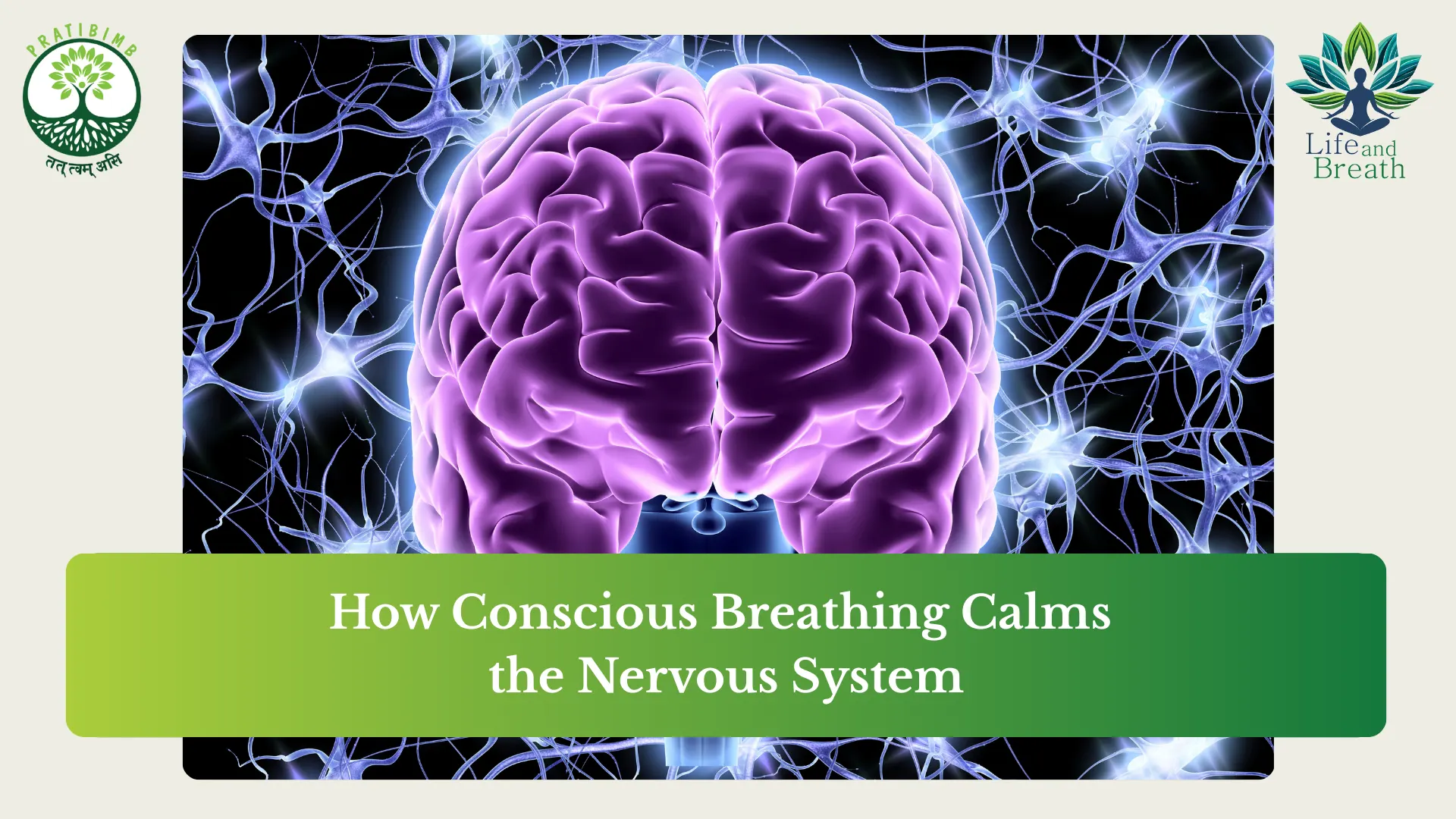
Breathwork affects the nervous system by serving as a voluntary bridge to the autonomic nervous system (ANS). By consciously slowing and deepening the breath, you send biological signals to the brain that the body is safe. This suppresses the sympathetic “fight-or-flight” response and activates the parasympathetic “rest-and-digest” mode, lowering heart rate and cortisol levels within minutes.
Understanding the Nervous System: Why Breath is Your Remote Control
In a world characterized by constant notifications, deadlines, and responsibilities, many individuals live in a low-grade state of chronic stress. This state is physically manifested through a tight jaw, lifted shoulders, and shallow breathing.
The Two Branches of the Autonomic Nervous System
Your autonomic nervous system (ANS) controls automatic functions like heart rate and digestion. It operates through two primary branches:
-
- Sympathetic Nervous System (SNS): The “fight or flight” response. When activated by stress or threats, your heart rate increases, muscles tense, and breathing becomes rapid.
-
- Parasympathetic Nervous System (PNS): The “rest and digest” response. This system promotes relaxation, lowers blood pressure, and supports healthy digestion.
Unlike other autonomic functions like heart rate, breathing is both automatic and voluntary. This unique characteristic allows conscious breathing for nervous system regulation to act as a “hack,” allowing you to influence your physiological state through intentional respiratory patterns.
The Problem with Modern Breathing Patterns
Most people today are “over-breathers”. Chronic stress leads to dysfunctional breathing patterns, specifically shallow chest breathing rather than diaphragmatic breathing.
Why Shallow Breathing Increases Anxiety:
-
- Activation of the SNS: It keeps the “fight or flight” system constantly engaged.
-
- Chemical Imbalance: It disrupts the critical balance between oxygen and carbon dioxide in the blood.
-
- Physical Triggers: It can trigger sensations of dizziness or panic.
-
- The Anxiety Loop: Many symptoms of anxiety are actually amplified by these physical breathing patterns.
This is why breathing exercises to calm anxiety are so powerful—they address the physical root of the feeling, not just the psychological experience.
4 Essential Parasympathetic Breathing Techniques
The following techniques are research-backed methods to facilitate nervous system regulation. By practicing these, you are not just “imagining” calm; you are activating a measurable biological shift.
1. Diaphragmatic (Belly) Breathing
Also known as abdominal breathing, this is the foundation of breath awareness for stress relief.
-
- The Goal: Retrain the body to breathe deeply into the belly rather than shallowly into the chest.
-
- How to do it: Focus on expanding the abdomen as you inhale, allowing the diaphragm to drop and create space for the lungs to fill completely.
2. The Longer Exhale Breathing
This is a core parasympathetic breathing technique that leverages the biological link between exhalation and the vagus nerve.
-
- The Key: The exhale must be longer than the inhale.
-
- The Effect: A prolonged exhale sends a powerful signal to the brain that danger has passed, shifting the body toward deep relaxation.
3. The Physiological Sigh
This technique is incredibly fast-acting and specifically designed to reduce built-up carbon dioxide.
-
- The Pattern: Take a deep inhale through the nose, followed by a slow, controlled exhale through the mouth.
-
- The Result: It immediately reduces stress levels by resetting the respiratory rhythm.
4. Coherent (Resonance) Breathing
Coherent breathing involves maintaining a continuous, rhythmic pattern of breath for a specific period of time.
-
- The Mechanism: This creates “heart rate variability synchronization”.
-
- The Benefit: It is one of the most powerful practices for achieving a state of physiological balance and mental clarity.

How Breathwork Affects the Nervous System: The Bottom-Up Approach
Most traditional stress-management techniques are “top-down,” meaning they require you to reframe your thoughts to calm your body. However, when you are in a state of panic or overwhelm, arguing with your thoughts is difficult.
Conscious breathing for nervous system health works “bottom-up”.
-
- Change the Body: You change your physiology through breath.
-
- Safety Signal: The brain interprets slow, rhythmic breathing as a signal of safety.
-
- Mind Follows: When the body feels safe, the brain stops scanning for danger and the mind naturally settles.
Long-Term Benefits of Regulated Breathing
While these breathing exercises to calm anxiety provide immediate relief, consistent practice rewires your stress response over time.
Lasting Physiological Shifts:
-
- Lower Baseline Anxiety: A more resilient nervous system that is less easily triggered.
-
- Improved Emotional Regulation: The ability to respond to stressors rather than reacting impulsively.
-
- Physical Recovery: Faster recovery times after stressful events and improved sleep quality.
-
- Enhanced Focus: A calm nervous system allows for deeper concentration and mental clarity.
Final Thoughts: Peace is One Exhale Away
Your breath is a tool that is always with you. It requires no subscription, no special equipment, and no specific environment. Whether you are following ancient yoga traditions of pranayama or modern research on heart rate variability, the fundamental mechanisms of the nervous system remain consistent.
When life feels chaotic or the nervous system feels overwhelmed, breath awareness for stress relief brings you back to your center. It reminds us that we have a direct, simple pathway to calm within ourselves.